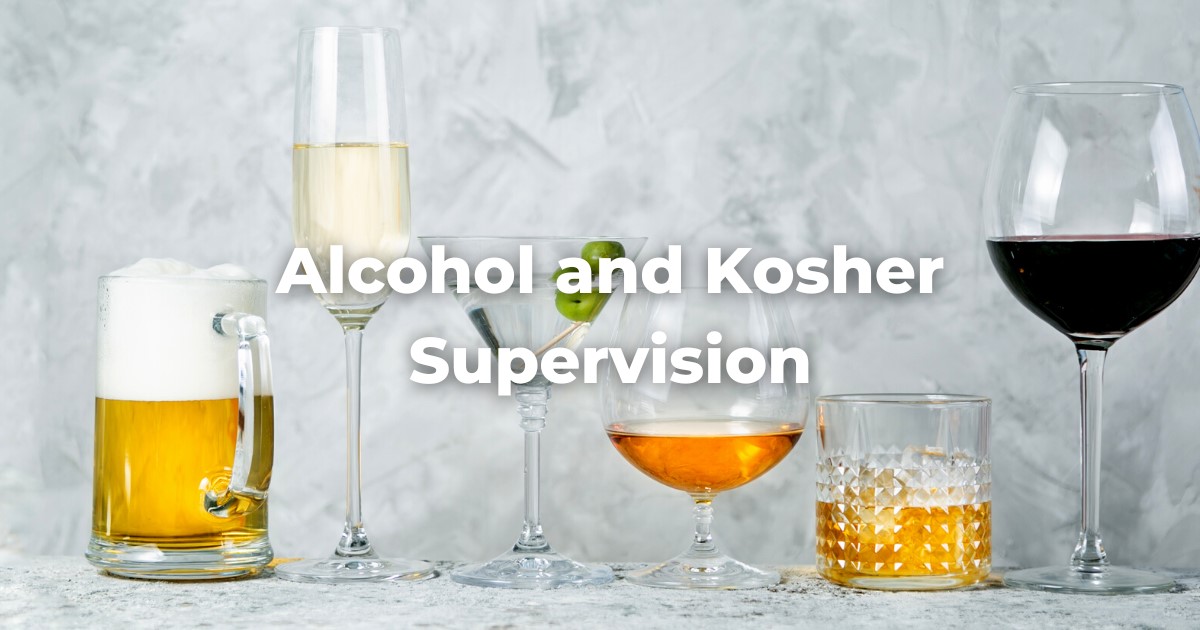
What alcohol requires a hechsher or kosher supervision? It largely depends on the process by which they are made and the ingredients used.
There are many issues involved in decisions about what kind of wines to use in a kosher home.
Through the generations, use of wine that was not kosher-certified (called stam yeinam, “plain wines”) was banned largely to reduce the possibility of extended social exchange between Jews and non-Jews, but this is not something we are concerned about in the Conservative movement.
The concern around wines and kashrut is more about what ingredients are used in the wine-making process.
Various responsa of the Rabbinical Assembly have allowed the use of non-certified wines, but recommended the exclusive use of kosher-certified wines for ritual purposes (see CJLS Responsa The Use of All Wines).
This is another area of difference between the Conservative and Orthodox movements. The preference, however, remains for use of kosher-certified wines when possible.
Part of the process of manufacturing wine is “fining,” or clarifying, the wine. This particular aspect of wine-making can also be problematic in terms of the laws of kashrut.
The CJLS, however, has concluded that wine fined with unkosher or dairy substances is not unkosher or dairy (see linked responsas).
Some beers and alcoholic beverages are made under kashrut supervision, but many are not. Because many liqueurs are based on wine or brandy or might have a small amount of wine or brandy added to them, some products that are acceptable to consumers who freely drink stam yeinam may not have a hechsher for that reason.
Beer and grain-based liquors do not require formal kashrut supervision during the manufacturing process (they don’t need a hechsher), nor do fruit-based liquors.
Among the authorities who disallow stam yeinam, some also prohibit alcohol that has been aged in wine casks, including some kinds of Scotch or Irish whiskey. Bourbon, which must be aged in new casks, is not impacted by that issue.
Adapted with permission from The Observant Life.