Skip to content
Holidays
Candle Lighting Times
Shabbat
Tisha B’av
Tu B'av
Juneteenth (US)
More Holidays >>
Every Day
Blessings
Daily Living
Home
Kashrut
Prayer
Ritual and Prayer Items
Spirituality
Tzedakah
Living
Climate and Environment
Health
Jewish Identity and Pride
LGBTQ+
Lifecycles
Social Justice
Travel
Learning
Tanakh
Torah (The Five Books)
Neviim (Prophets)
Ketuvim (Writings)
Tanakh Yomi
Conservative Judaism
Halakhah
Inclusion
Mitzvot
Community
Make Connections
EJ Writers Fellowship
JTS Senior Sermons
Ziegler School Senior Sermons
Ask a Rabbi
Mini-Shop
About
About Us
Our Team
Authors
Pitch a Piece
Feedback
Exploring Judaism Blog
Search
Donate
Search
Tag: Tzedakah
Rebranding Tzedakah: From Charity to Sacred Spending
What if we rebranded tzedakah from our more modern conception of charity and giving to a rabbinic-inspired sacred spending?
Rabbi Daniel Nevins
February 20, 2025
Charity
Every Day
The History of Tzedakah
The degree to which a person was obligated to contribute to the poor became the mark of membership in a community.
Rabbi Elliot N. Dorff, Ph.D.
,
The Observant Life (Book)
May 24, 2023
Charity
Every Day
The Importance of Community Giving
Fundamentally, Jewish law offers some clear guidelines responding to the problems of poverty, the best of which is to prevent poverty itself.
Rabbi Elliot N. Dorff, Ph.D.
,
The Observant Life (Book)
May 24, 2023
Every Day
Jewish Law
Ethical Fundraising: A Jewish Perspective
Are bingo and more serious forms of gambling allowed to raise funds for synagogues and other Jewish institutions?
Rabbi Elliot N. Dorff, Ph.D.
,
The Observant Life (Book)
May 24, 2023
Charity
Ethical Fundraising
What do I do if I can’t go to minyan when saying kaddish?
Saying Kaddish for a loved one is a cherished and prized custom, but it is not the only way to remember and honor the lives ...
Rabbi Andrew Pepperstone
May 19, 2023
Death and Dying
Every Day
Erev Yom Kippur and the Customs Preceding It
Preparations on Erev Yom Kippur are intrinsic to the awe-inspiring observance of the day: a special meal, candle lighting, and charity.
Rabbi Alan Lucas
,
The Observant Life (Book)
October 3, 2022
High Holidays
Holidays
Yom Kippur Yizkor Service
The Memorial Service, Yizkor, is recited on Yom Kippur, one of four times throughout the year, to remember loved ones and Jewish martyrs.
Rabbi Alan Lucas
,
The Observant Life (Book)
October 3, 2022
High Holidays
Holidays
Non-Ritual Ways of Preparing in Elul
There are many ways to spiritually prepare in Elul for the Yamim Nora'im, the Days of Awe, also known as the High Holidays.
Rabbi Alan Lucas
,
The Observant Life (Book)
August 19, 2022
Elul
High Holidays
Tisha B’Av and Our Present-Day Fight Against Hate
Why is this time, surrounding Tisha B'Av, so important to the modern-day fight against antisemitism, and other forms of hatred and bigotry?
Meredith R. Weisel, ADL Washington, D.C. Regional Director
July 14, 2022
Holidays
Reflections on Tisha B'av
The Biblical Sources and Context for Tzedakah
The Torah provides many examples and legal provisions which are the foundation of our understanding of tzedakah.
The Observant Life (Book)
,
Rabbi Elliot N. Dorff, Ph.D.
June 29, 2022
Every Day
Hebrew Bible
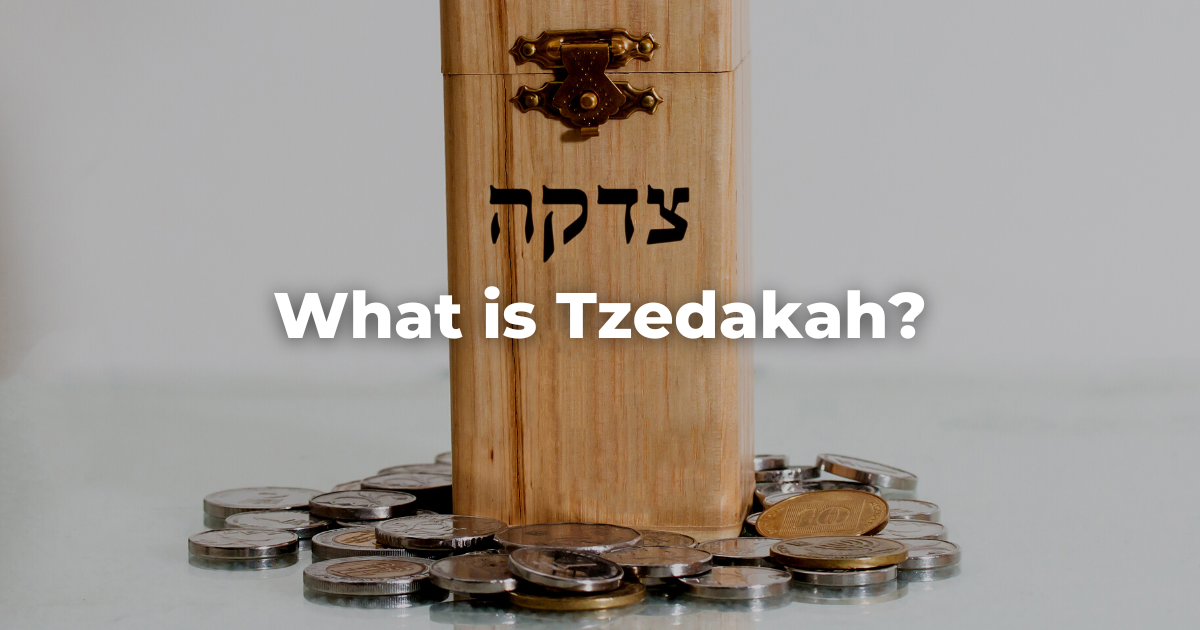
What is Tzedakah?
Jewish tradition does not see contributions to the community’s welfare as mere charity, but rather as tzedakah, literally “acts of justice.”
Rabbi Elliot N. Dorff, Ph.D.
,
The Observant Life (Book)
June 22, 2022
Every Day
Tzedakah