Skip to content
Holidays
Candle Lighting Times
Shabbat
Tisha B’av
Tu B'av
Juneteenth (US)
More Holidays >>
Every Day
Blessings
Daily Living
Home
Kashrut
Prayer
Ritual and Prayer Items
Spirituality
Tzedakah
Living
Climate and Environment
Health
Jewish Identity and Pride
LGBTQ+
Lifecycles
Social Justice
Travel
Learning
Tanakh
Torah (The Five Books)
Neviim (Prophets)
Ketuvim (Writings)
Tanakh Yomi
Conservative Judaism
Halakhah
Inclusion
Mitzvot
Community
Make Connections
EJ Writers Fellowship
JTS Senior Sermons
Ziegler School Senior Sermons
Ask a Rabbi
Mini-Shop
About
About Us
Our Team
Authors
Pitch a Piece
Feedback
Exploring Judaism Blog
Search
Donate
Search
Tag: Personal
On Relationships with God and Other Human Beings
Ilana Sandberg (JTS RS '24) explores parashat Ki Tisa and speaks on relationships with God and other human beings.
Ilana Sandberg
February 29, 2024
JTS Senior Sermon
Learning
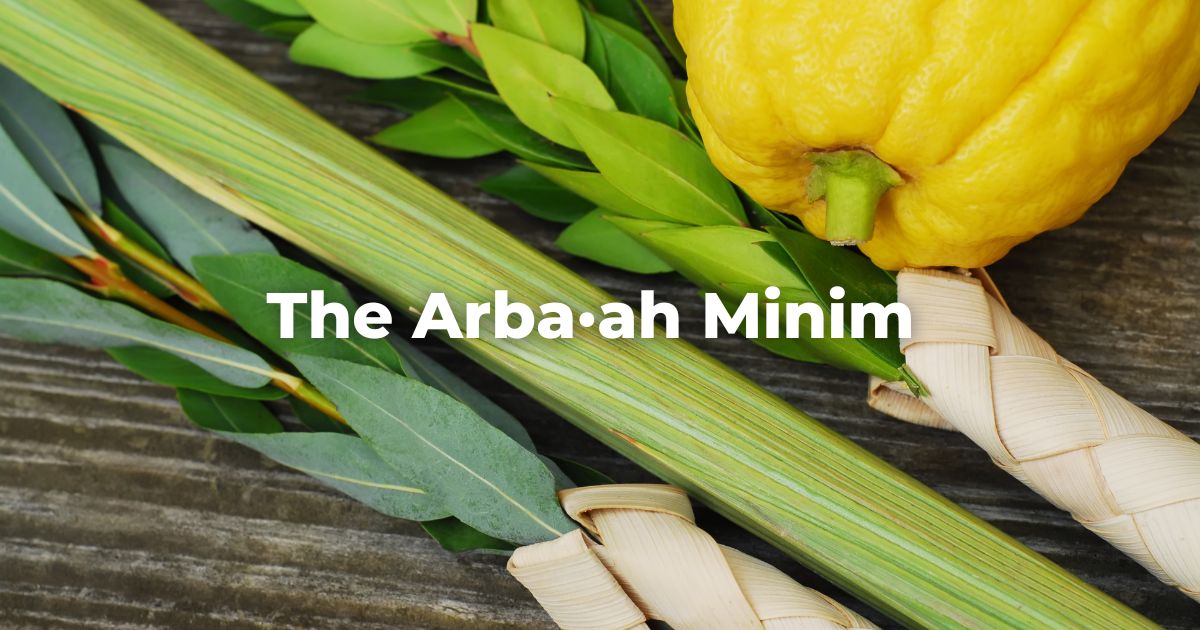
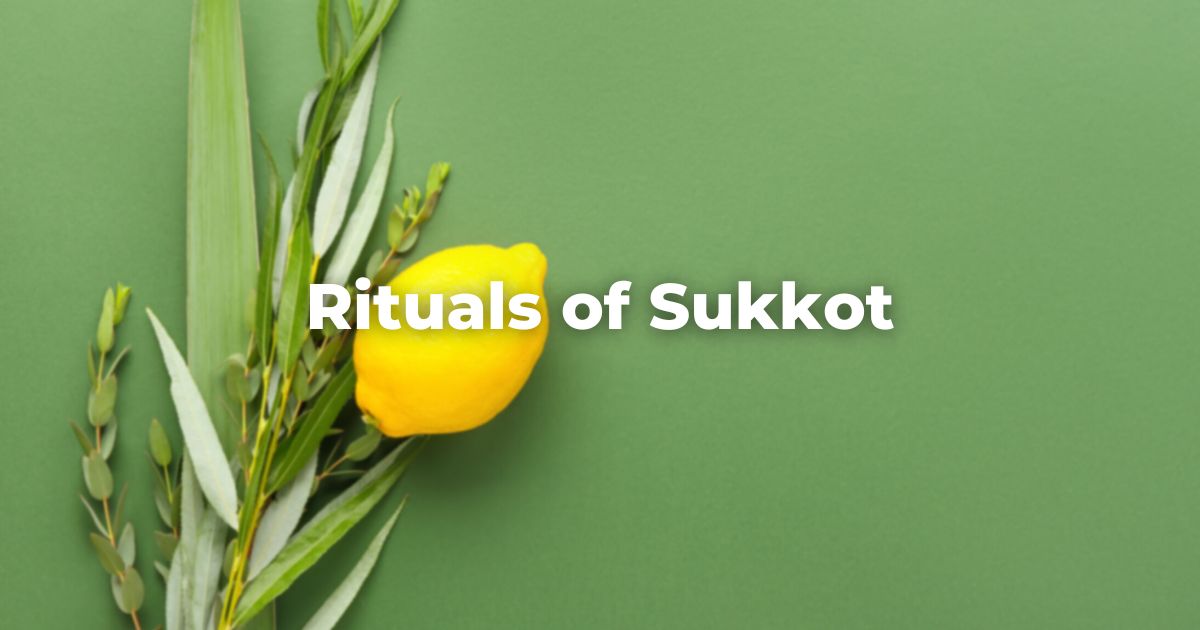
Lulav and Etrog: The Four Species
Besides dwelling in a sukkah, the other significant mitzvah of Sukkot is the taking up of the arba·ah minim, literally “the four species.”
Rabbi Alan Lucas
,
The Observant Life (Book)
October 28, 2022
High Holidays
Holidays
Sukkot at Home
While celebrating Sukkot at home, rituals include lighting candles, sitting in the sukkah, and customs related to the sukkah.
Rabbi Alan Lucas
,
The Observant Life (Book)
October 28, 2022
High Holidays
Holidays
Intermediate Days of Sukkot
The intermediate days of Sukkot, the weekdays, combine some features of festival days and normal weekdays to create wholly unique day.
Rabbi Alan Lucas
,
The Observant Life (Book)
October 28, 2022
High Holidays
Holidays
Sh’mini Atzeret Candle Lighting
The laws for lighting candles on Sh’mini Atzeret are similar to those for Shabbat. These laws also apply to Simḥat Torah.
Rabbi Alan Lucas
,
The Observant Life (Book)
October 28, 2022
High Holidays
Holidays
Rituals of Sukkot
Sukkot, one of the shalosh r’galim, the three pilgrimage festivals is celebrated five days after Yom Kippur.
Rabbi Alan Lucas
,
The Observant Life (Book)
October 14, 2022
High Holidays
Holidays
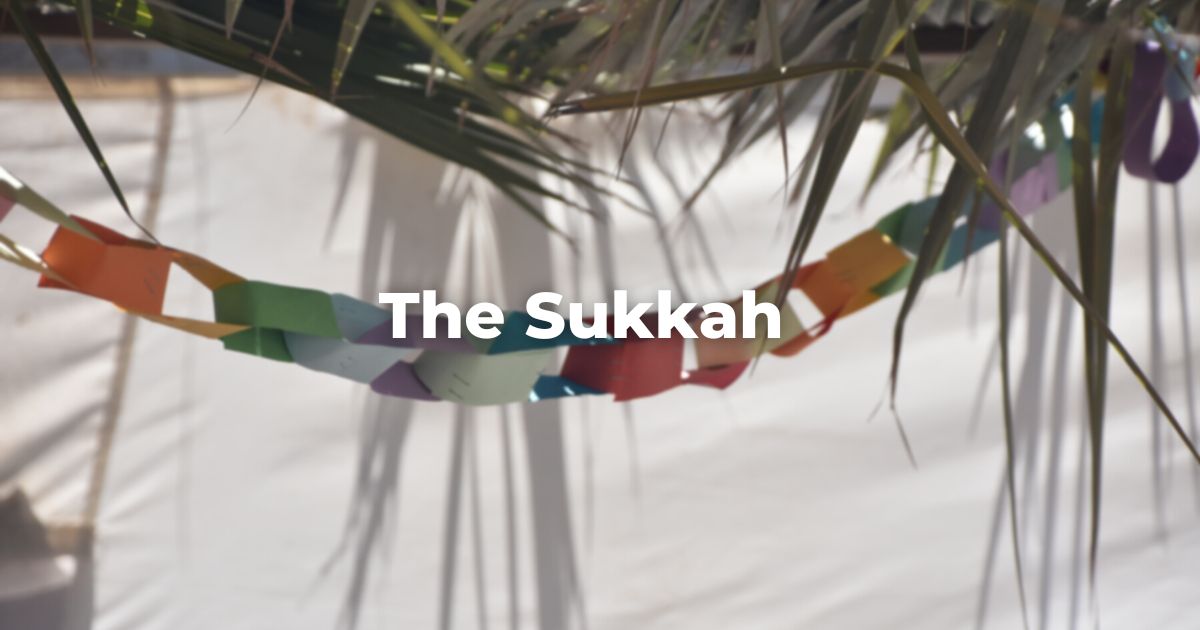
The Sukkah
The sukkah for Sukkot has some very basic requirements, but beyond these rules its construction is left to one’s imagination and creativity.
Rabbi Alan Lucas
,
The Observant Life (Book)
October 13, 2022
Building a Sukkah
High Holidays
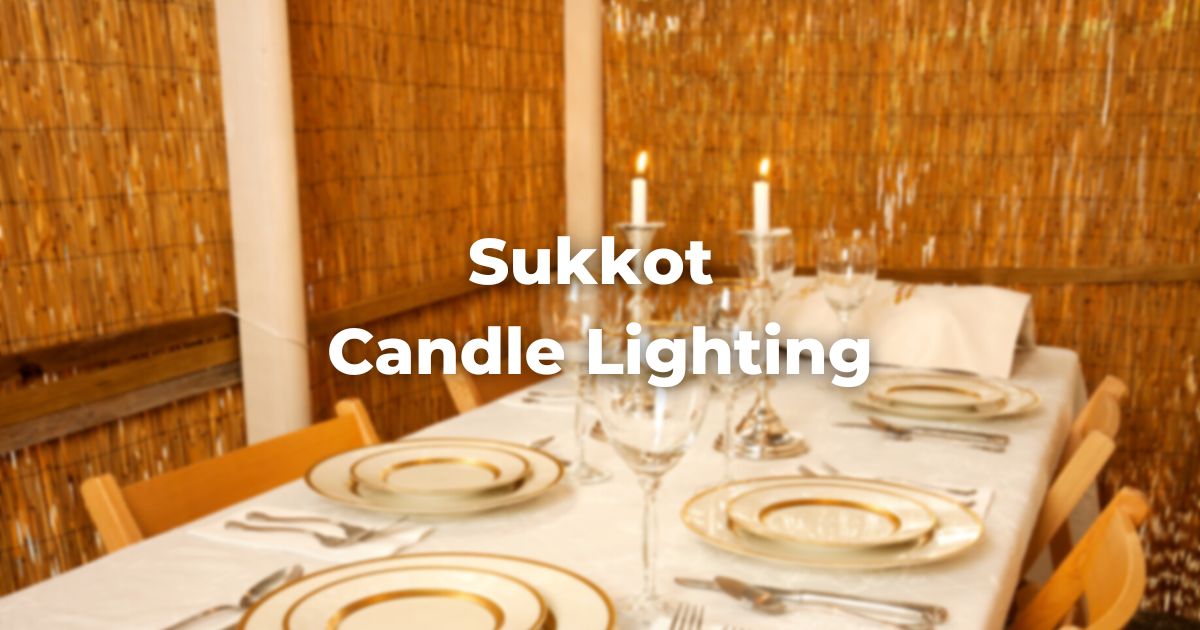
Sukkot Candle Lighting
The laws for lighting candles on Sukkot are almost identical to the laws for Shabbat candle lighting, with the exception of covering eyes.
Rabbi Alan Lucas
,
The Observant Life (Book)
October 13, 2022
High Holidays
Holidays
Yom Kippur Candle Lighting
Following the Yom Kippur meal, candles are lit in a similar fashion to those lit on Rosh Hashanah. A Yizkor candle is also lit.
Rabbi Alan Lucas
,
The Observant Life (Book)
October 3, 2022
High Holidays
Holidays
Yom Kippur Evening Service
Maariv, the evening service, following Kol Nidrei on Erev Yom Kippur, is similar in many ways to daily Maariv but has notable differences.
Rabbi Alan Lucas
,
The Observant Life (Book)
October 3, 2022
High Holidays
Holidays
Erev Yom Kippur and the Customs Preceding It
Preparations on Erev Yom Kippur are intrinsic to the awe-inspiring observance of the day: a special meal, candle lighting, and charity.
Rabbi Alan Lucas
,
The Observant Life (Book)
October 3, 2022
High Holidays
Holidays
Kol Nidrei and Being Imperfect Together
Yom Kippur begins with the dramatic Kol Nidrei service, intended to annul vows made between yourself and God.
Rabbi Alan Lucas
,
The Observant Life (Book)
October 3, 2022
High Holidays
Holidays
Yom Kippur Yizkor Service
The Memorial Service, Yizkor, is recited on Yom Kippur, one of four times throughout the year, to remember loved ones and Jewish martyrs.
Rabbi Alan Lucas
,
The Observant Life (Book)
October 3, 2022
High Holidays
Holidays
Tashlikh: A Quick Overview
One of the beautiful customs associated with Rosh Hashanah is Tashlikh, a brief service that takes place by a body of water.
The Observant Life (Book)
,
Rabbi Alan Lucas
September 20, 2022
High Holidays
Holidays
The Shofar on Rosh Hashanah
Sounding of the shofar is a characteristic mitzvah of Rosh Hashanah. The holiday is alternatively called the Day of Sounding the Shofar.
The Observant Life (Book)
,
Rabbi Alan Lucas
September 16, 2022
High Holidays
Holidays
Rosh Hashanah At Home
Personal and at-home Rosh Hashanah rituals include candle lighting, eating apples with honey, and sharing meals.
The Observant Life (Book)
,
Rabbi Alan Lucas
September 15, 2022
High Holidays
Holidays
How to See and Be Seen: Choosing Judaism
Shavuot is all about choosing Judaism. We choose to see the beauty of the tradition and be seen holding it with full hearts and hands.
Rabbi Joshua Hoffman
May 20, 2022
Conversion
Shavuot