For Parashat Nitzavim, the parashah right before Rosh Hashanah, we ask the question, “Whom are you taking to shul?”

For Parashat Nitzavim, the parashah right before Rosh Hashanah, we ask the question, “Whom are you taking to shul?”

Between Rosh Hashanah, Yom Kippur, and Sukkot, we cannot leave anything to chance but we must leave room for God.

One of my teachers died this week. Rabbi David Ebner, z”l, was a spectacular educator, poet, and thinker. Most importantly, he was a giant and

We’re approaching the end. The journey through the desert is coming to a close, and Moshe is giving his final instructions to the Israelites before
Why would we ever imagine that God would break a promise? Further, what is this guarding? Are we sheep, potatoes, or loose coins that must be watched and safeguarded?

What does eating cholent on a Thursday, Tisha B’av, Shabbat, and Jewish law have in common? This might surprise you.
There are rebels in the Torah.
There were rebels against the cultures and norms of the time. Avraham and Sarah rejected polytheism, Yehoshua and Caleb rejected the faithless notion that the Land of Canaan could not be conquered, and Moshe rejected the cruel, domineering, and inhumane culture of his Egyptian upbringing.

In Parashat Shemini, we read the words that mark the exact midpoint of the Torah and explore what we can learn from those words.

To give and receive the Torah, an individual and a nation must be bound with the care and love of the land and all those who dwell therein.
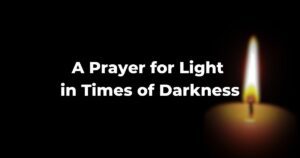
A Prayer for Light in Times of Darkness as we mourn the souls of Yaron Lischinsky and Sarah Milgram, who were murdered in Washington, D.C.