Skip to content
Holidays
Candle Lighting Times
Shabbat
Rosh Hodesh
Tisha B’av
More Holidays >>
Every Day
Blessings
Daily Living
Home
Kashrut
Prayer
Ritual and Prayer Items
Spirituality
Tzedakah
Living
Climate and Environment
Health
Jewish Identity and Pride
LGBTQ+
Lifecycles
Travel
Learning
Torah
- Genesis
- Exodus
- Leviticus
- Numbers
- Deuteronomy
Conservative Judaism
Halakhah
Inclusion
Mitzvot
Community
Make Connections
Ask a Rabbi
About
About Us
Our Team
Authors
Pitch a Piece
Feedback
Exploring Judaism Blog
Search
Donate
Search
Search
Close this search box.
Tag: Sukkah
Shemini Atzeret, Demystified
What is Shemini Atzeret and how is it connected to Sukkot? "Shemini Atzeret, Demystified" explains all of that and more.
Jacki Honig
September 28, 2023
Holidays
Shemini Atzeret
Swaddled By God
On the festival of Sukkot, we are commanded to dwell in temporary huts so as to remember the Israelites swaddled by God.
Ilana Kurshan
,
Fuchsberg Jerusalem Center — Conservative Yeshiva
June 12, 2023
Parashat V'zot Haberachah
Parashat V'zot Haberachah Dvar Torah
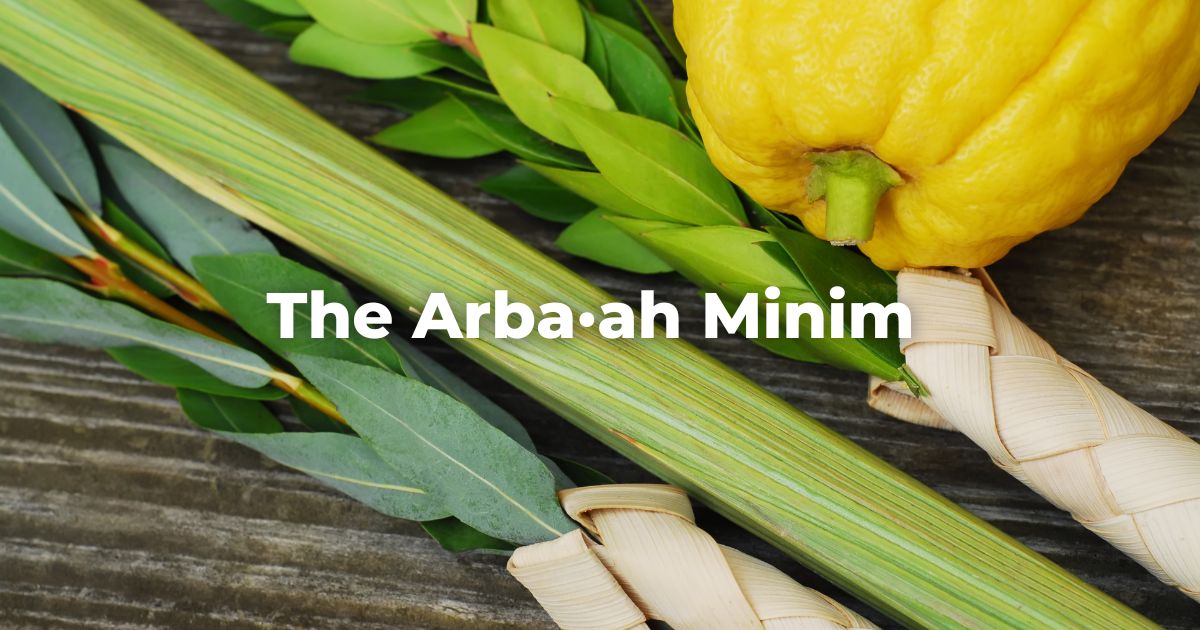
Lulav and Etrog: The Four Species
Besides dwelling in a sukkah, the other significant mitzvah of Sukkot is the taking up of the arba·ah minim, literally “the four species.”
Rabbi Alan Lucas
,
The Observant Life (Book)
October 28, 2022
High Holidays
Holidays
Sukkot at Home
While celebrating Sukkot at home, rituals include lighting candles, sitting in the sukkah, and customs related to the sukkah.
Rabbi Alan Lucas
,
The Observant Life (Book)
October 28, 2022
High Holidays
Holidays
Sukkot in the Synagogue
On the mornings of Sukkot, Shacharit and Musaf follow the standard festival format. The lulav and etrog should be shaken.
The Observant Life (Book)
,
Rabbi Alan Lucas
October 28, 2022
High Holidays
Holidays
Intermediate Days of Sukkot
The intermediate days of Sukkot, the weekdays, combine some features of festival days and normal weekdays to create wholly unique day.
Rabbi Alan Lucas
,
The Observant Life (Book)
October 28, 2022
High Holidays
Holidays
Rituals of Sukkot
Sukkot, one of the shalosh r’galim, the three pilgrimage festivals is celebrated five days after Yom Kippur.
Rabbi Alan Lucas
,
The Observant Life (Book)
October 14, 2022
High Holidays
Holidays
The Sukkah
The sukkah for Sukkot has some very basic requirements, but beyond these rules its construction is left to one’s imagination and creativity.
Rabbi Alan Lucas
,
The Observant Life (Book)
October 13, 2022
Building a Sukkah
High Holidays
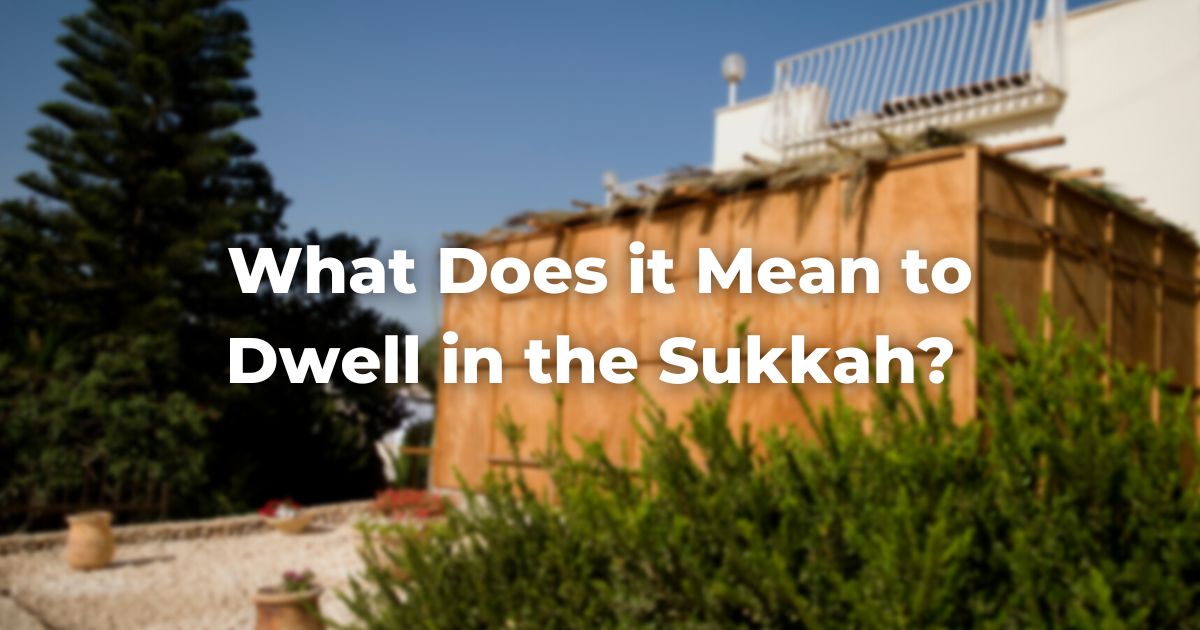
What Does it Mean to Dwell in the Sukkah?
Living in the Sukkah can mean just living in an outdoor hut for a week, but it can also bring so much more meaning into ...
Rabbi Rebecca Rosenthal
September 22, 2022
High Holidays
Holidays