Skip to content
Holidays
Candle Lighting Times
Shabbat
Rosh Hodesh
Tisha B’av
More Holidays >>
Every Day
Blessings
Daily Living
Home
Kashrut
Prayer
Ritual and Prayer Items
Spirituality
Tzedakah
Living
Climate and Environment
Health
Jewish Identity and Pride
LGBTQ+
Lifecycles
Travel
Learning
Torah
- Genesis
- Exodus
- Leviticus
- Numbers
- Deuteronomy
Conservative Judaism
Halakhah
Inclusion
Mitzvot
Community
Make Connections
Ask a Rabbi
About
About Us
Our Team
Authors
Pitch a Piece
Feedback
Exploring Judaism Blog
Search
Donate
Search
Search
Close this search box.
Tag: Shemini Atzeret
Shemini Atzeret, Demystified
What is Shemini Atzeret and how is it connected to Sukkot? "Shemini Atzeret, Demystified" explains all of that and more.
Jacki Honig
September 28, 2023
Holidays
Shemini Atzeret
Remembering Our Loved Ones Before Us
When our loved ones die, who remembers those they remembered? Here's a way to remember all of those that came before us.
Rabbi Miriam T. Spitzer
September 21, 2023
Death and Dying
Family
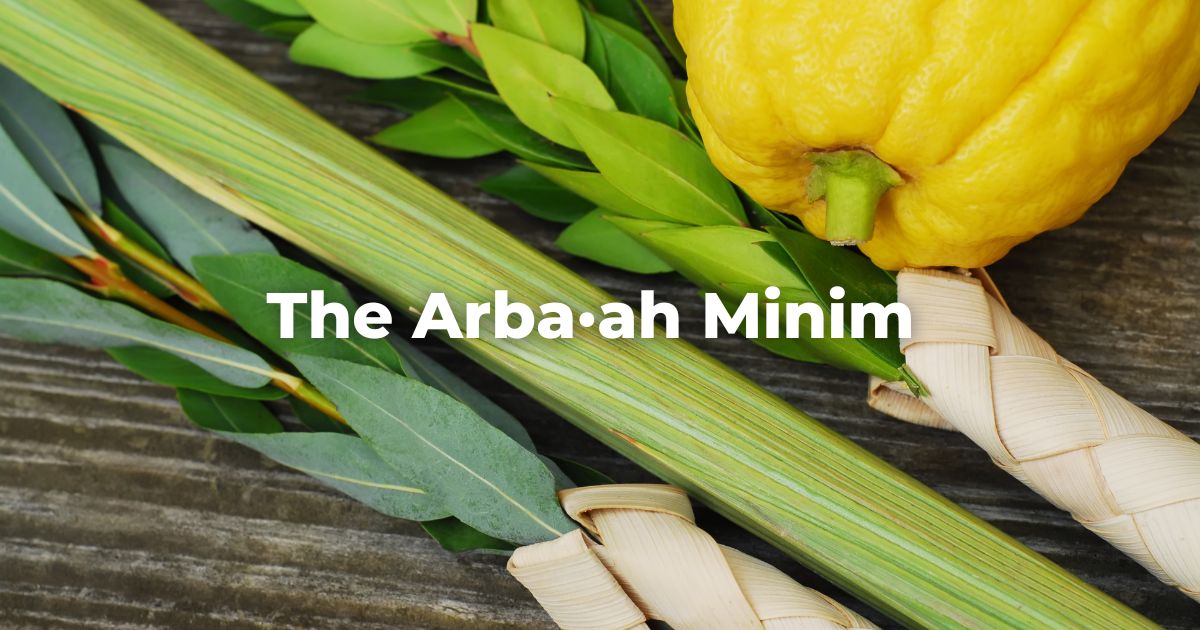
Lulav and Etrog: The Four Species
Besides dwelling in a sukkah, the other significant mitzvah of Sukkot is the taking up of the arba·ah minim, literally “the four species.”
Rabbi Alan Lucas
,
The Observant Life (Book)
October 28, 2022
High Holidays
Holidays
What is Sh’mini Atzeret?
The final two days of Sukkot are a totally separate holiday called Sh'mini Atzeret. Liturgy includes Yizkor and the prayer for rain.
Rabbi Alan Lucas
,
The Observant Life (Book)
October 28, 2022
Holidays
Shemini Atzeret
What is Simhat Torah?
Simḥat Torah means “the joy of Torah” and is the name for the day on which the annual cycle of Torah readings begins and ends. ...
Rabbi Alan Lucas
,
The Observant Life (Book)
October 28, 2022
High Holidays
Holidays
Sh’mini Atzeret Candle Lighting
The laws for lighting candles on Sh’mini Atzeret are similar to those for Shabbat. These laws also apply to Simḥat Torah.
Rabbi Alan Lucas
,
The Observant Life (Book)
October 28, 2022
High Holidays
Holidays
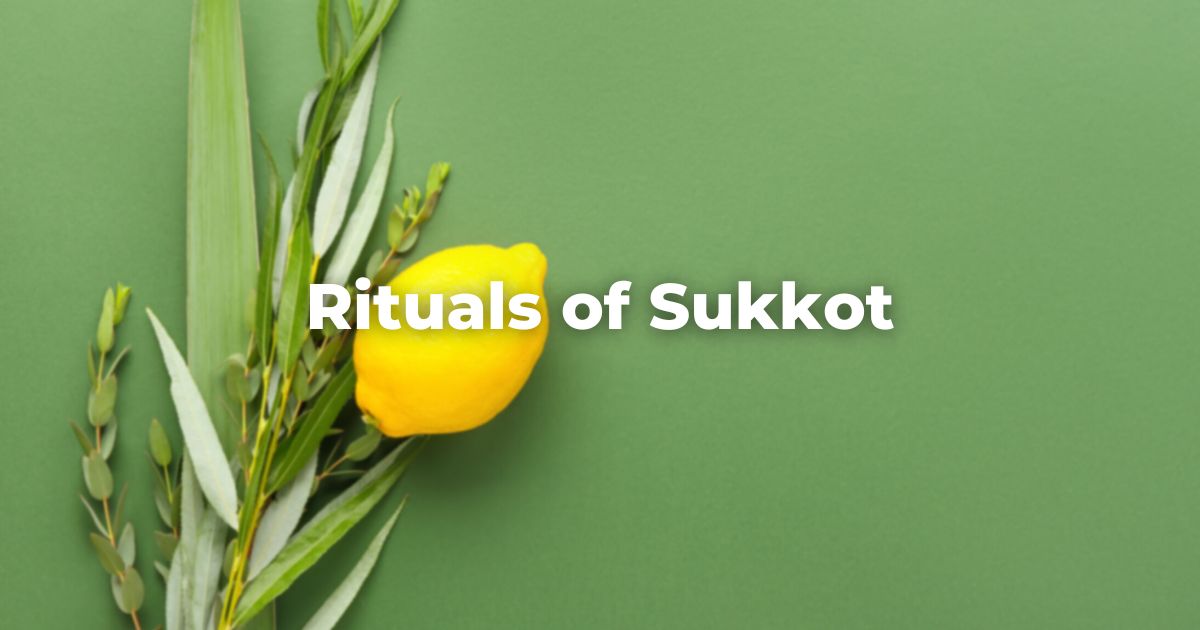
Rituals of Sukkot
Sukkot, one of the shalosh r’galim, the three pilgrimage festivals is celebrated five days after Yom Kippur.
Rabbi Alan Lucas
,
The Observant Life (Book)
October 14, 2022
High Holidays
Holidays
Shemini Atzeret: Chilling with God
Shemini Atzeret is a holiday that has left Jews puzzled for generations, but it's really about our intimate relationship with God.
Emily Jaeger
September 23, 2022
High Holidays
Holidays
What’s Water Got to Do With It?
How does the imagery of water and rain connect Shemini Atzreet and Simchat Torah? What can we learn from this?
Risa Finkelstein Sugarman
September 23, 2022
High Holidays
Holidays